
Cognitive Behavioral Therapy
Cognitive Behavioral Therapy (CBT) is a widely used form of psychotherapy that helps individuals identify and change negative thought patterns and behaviors. It is based on the idea that thoughts, emotions, and behaviors are interconnected. By modifying unhelpful thinking patterns, people can improve their emotional well-being and develop healthier coping strategies.

Behavior Therapy
Behavior Therapy is a form of psychotherapy that focuses on identifying and changing unhealthy behaviors. Based on the principles of learning theory, behavior therapy helps individuals replace negative habits with positive actions that support emotional and psychological well-being.
Dialectical Behavior Therapy
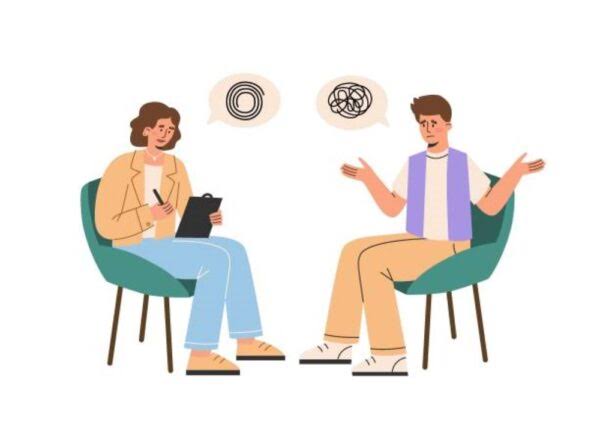
Dialectical Behavior Therapy (DBT) is a specialized form of cognitive-behavioral therapy designed to help individuals manage intense emotions, improve relationships, and develop healthy coping skills. Originally developed by Marsha M. Linehan, DBT combines acceptance strategies with behavior change techniques to help people achieve emotional balance and improve their quality of life.
Acceptance and Commitment Therapy
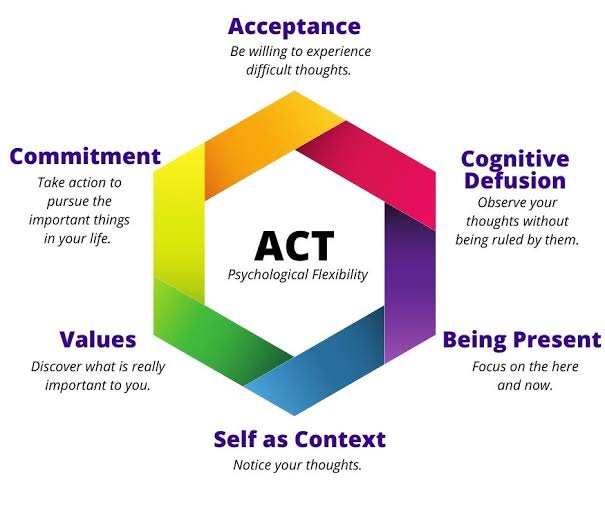
Acceptance and Commitment Therapy (ACT) is a modern, evidence-based psychotherapy that helps individuals accept difficult thoughts and emotions while committing to actions that align with their personal values. Rather than trying to eliminate negative feelings, ACT teaches people how to develop psychological flexibility and live a meaningful, fulfilling life despite life's challenges.

Psychodynamic Therapy
Psychodynamic Therapy is a form of talk therapy that focuses on understanding how unconscious thoughts, emotions, and past experiences influence present-day behavior. Rooted in psychoanalytic principles, psychodynamic therapy helps individuals gain insight into recurring emotional patterns, relationship difficulties, and internal conflicts that may be affecting their mental health.

Interpersonal Therapy
Interpersonal Therapy (IPT) is an evidence-based form of psychotherapy that focuses on improving relationships and communication patterns to support better mental health. IPT is based on the understanding that emotional well-being is closely connected to the quality of a person's relationships and social interactions.