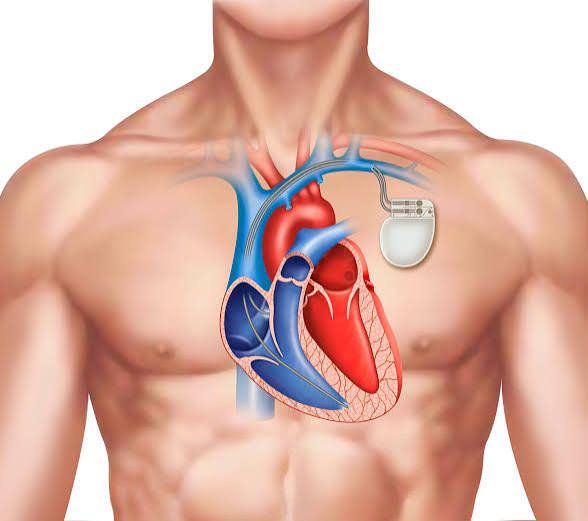
Pacemaker implantation
Pacemaker implantation is a medical procedure in which a small electronic device called a pacemaker is placed in the chest to help regulate abnormal heart rhythms. It is commonly used to treat conditions where the heart beats too slowly (bradycardia) or irregularly. A pacemaker sends electrical impulses to the heart to maintain a normal and steady heartbeat, improving overall heart function and preventing complications.
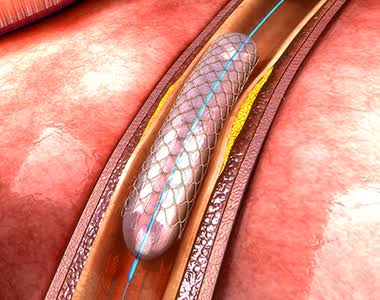
Coronary angioplasty
Coronary angioplasty is a minimally invasive medical procedure used to open narrowed or blocked coronary arteries that supply blood to the heart. It is commonly performed to treat coronary artery disease (CAD) and improve blood flow to the heart muscle. During the procedure, a small balloon is used to widen the blocked artery, and a stent (a small mesh tube) is often placed to keep the artery open.
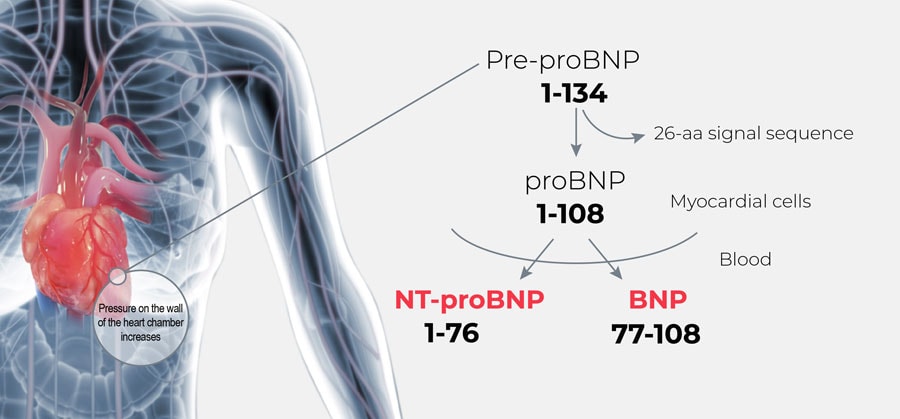
NT PRO BNP
NT-proBNP (N-terminal pro B-type Natriuretic Peptide) is a blood test used to help diagnose and monitor heart failure and other heart-related conditions. It is a protein released by the heart when it is under stress or working harder than normal. When the heart is unable to pump blood efficiently, NT-proBNP levels in the blood increase, making this test an important marker for cardiac health.
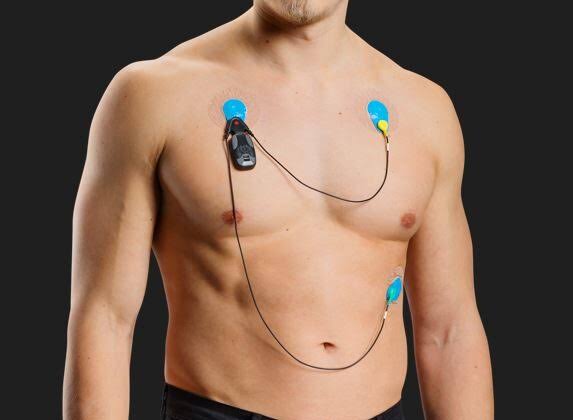
Holter test
A Holter test is a continuous heart monitoring test that records the electrical activity of the heart for 24 to 48 hours or longer. It is used to detect irregular heart rhythms (arrhythmias) that may not appear during a standard ECG test. The Holter monitor is a small, wearable device connected to electrodes placed on the chest. It tracks heart activity during daily activities, sleep, and exercise.

Cardiologist consultation
A cardiologist consultation is a medical appointment with a heart specialist (cardiologist) who diagnoses, treats, and manages diseases related to the heart and blood vessels. It is an important step in evaluating symptoms such as chest pain, shortness of breath, irregular heartbeat, or high blood pressure. During a consultation, the cardiologist reviews medical history, performs a physical examination, and may recommend diagnostic tests to assess heart health.
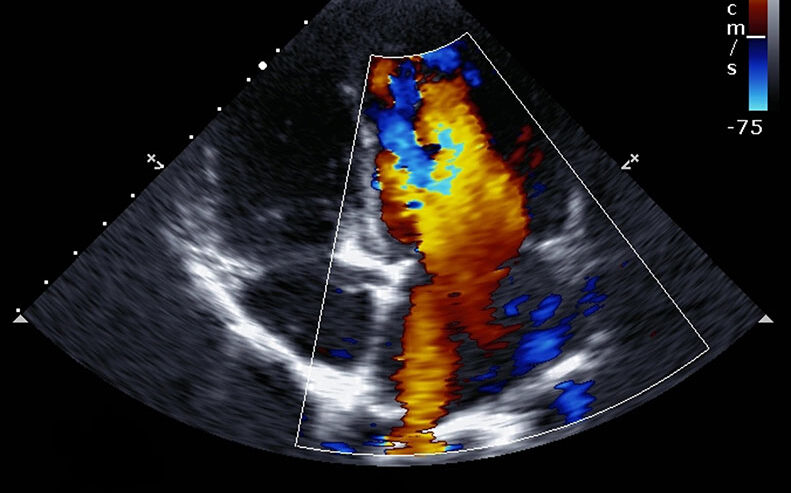
Echocardiogram
An echocardiogram is a non-invasive heart test that uses sound waves (ultrasound) to create detailed images of the heart. It helps doctors evaluate heart structure, function, and blood flow in real time. This test is widely used in cardiology to diagnose heart diseases, assess heart performance, and monitor ongoing heart conditions.