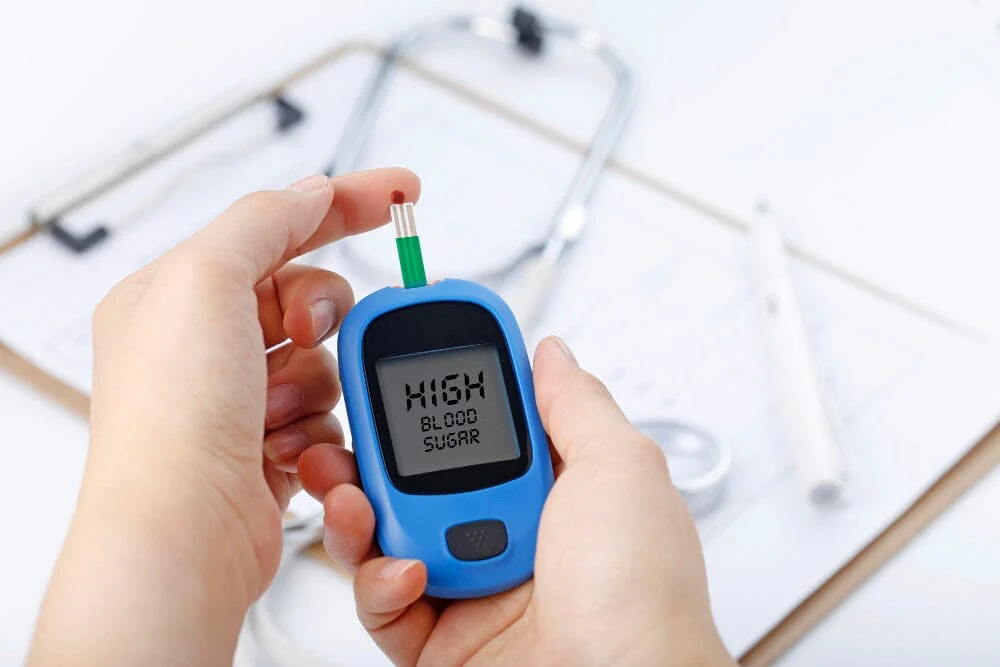
Blood sugar monitoring
Blood sugar monitoring is the process of measuring glucose levels in the blood to help individuals manage diabetes and maintain healthy blood sugar control. Regular monitoring provides valuable insights into how food, physical activity, medications, stress, and lifestyle choices affect blood glucose levels.

Insulin therapy
Insulin therapy is a medical treatment used to control blood sugar levels in people with diabetes. It involves administering insulin—a hormone that helps regulate glucose in the blood—when the body cannot produce enough or use it effectively. Insulin therapy is most commonly used for individuals with type 1 diabetes and for some people with type 2 diabetes or gestational diabetes when lifestyle changes and oral medications are not sufficient.
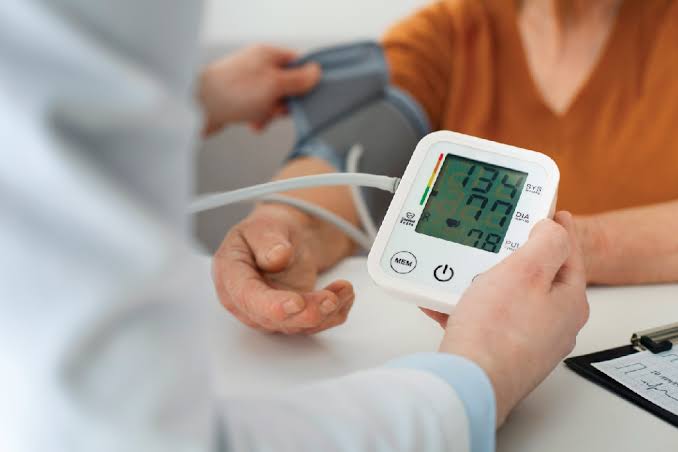
Blood pressure control
Blood pressure control refers to maintaining healthy blood pressure levels to reduce the risk of heart disease, stroke, and other cardiovascular complications. Blood pressure is the force of blood pushing against the walls of the arteries, and keeping it within a normal range is essential for overall heart health. Uncontrolled blood pressure, also known as hypertension, can silently damage organs over time, making regular monitoring and management extremely important.

Weight management
Weight management refers to the process of maintaining a healthy body weight through a balanced combination of diet, physical activity, and lifestyle habits. It includes both weight loss and weight gain strategies depending on individual health goals and medical needs. Effective weight management is not just about short-term dieting—it focuses on long-term healthy habits that support overall well-being, energy levels, and disease prevention.

Regular physical activity
Regular physical activity refers to any body movement that requires energy expenditure and is performed consistently as part of a healthy lifestyle. It includes activities such as walking, running, cycling, swimming, yoga, and strength training. Engaging in regular physical activity is essential for maintaining physical fitness, improving mental health, and preventing chronic diseases.
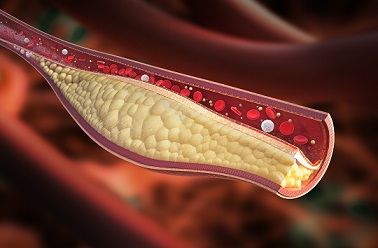
Cholesterol management
Cholesterol management refers to controlling and maintaining healthy cholesterol levels in the blood to reduce the risk of heart disease, stroke, and other cardiovascular conditions. Cholesterol is a fatty substance found in the blood that the body needs for building cells, but high levels can lead to serious health problems. Proper cholesterol management involves a combination of healthy diet, regular exercise, lifestyle changes, and sometimes medication.